

Why outsource or co-source my ia function?
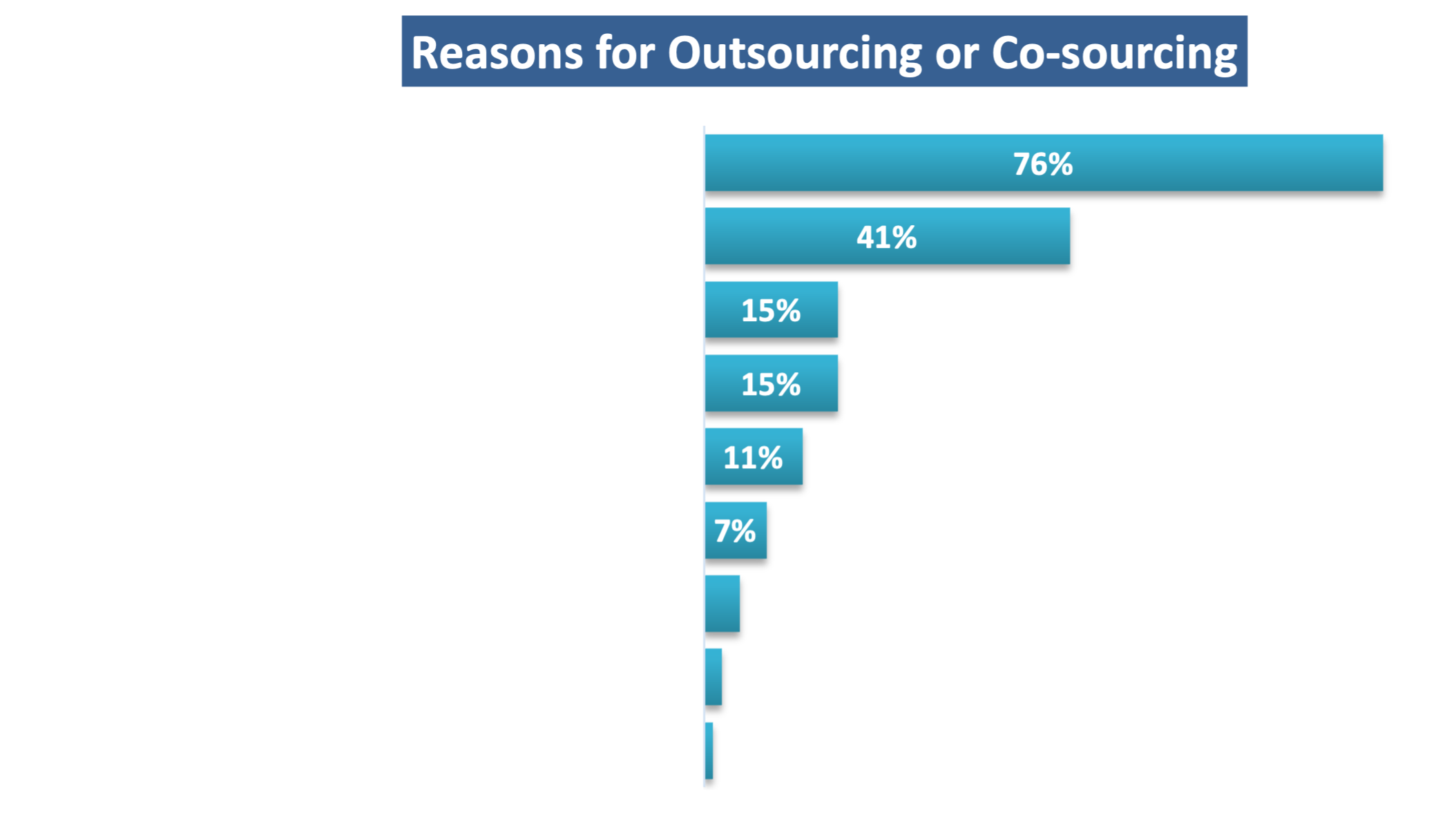
In today’s rapidly evolving business landscape, organizations must balance risk management, compliance, and operational excellence while staying agile. Outsourcing or co-sourcing internal audit services offers a transformative solution—combining cost efficiency, expertise, and strategic insights that drive sustained success. For your company, it will also provide that much needed business continuity that the organization will need to maintain that independent voice and mitigate the risk of operational disruptions caused by key personnel departures. We have outlined below key statistical data from the Institute of Internal Auditors (IIA) for reasons of outsourcing/co-sourcing by region, industry, etc.
Source: IIA 2022 Premier Global Research
Source: IIA 2022 Premier Global Research
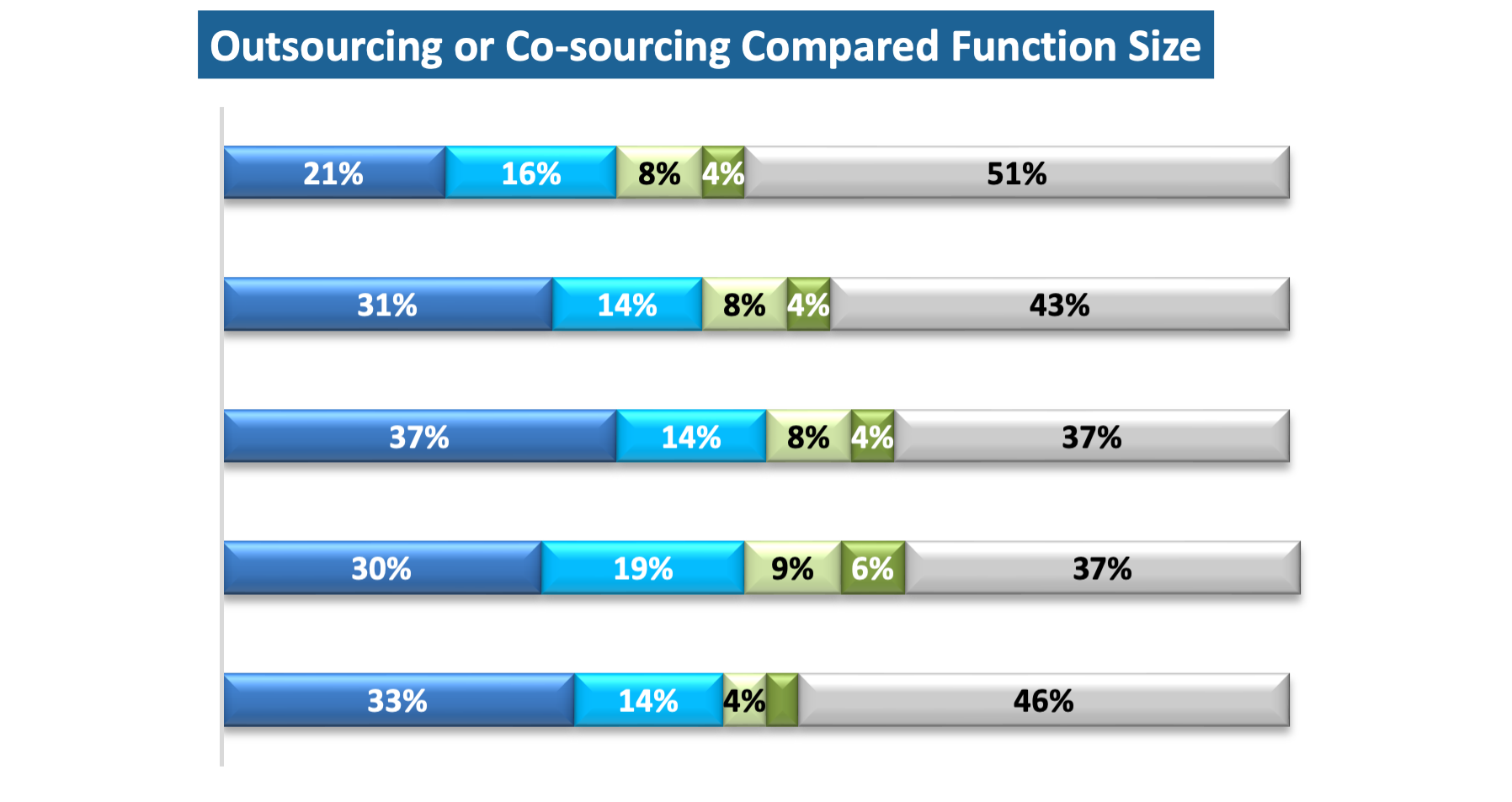
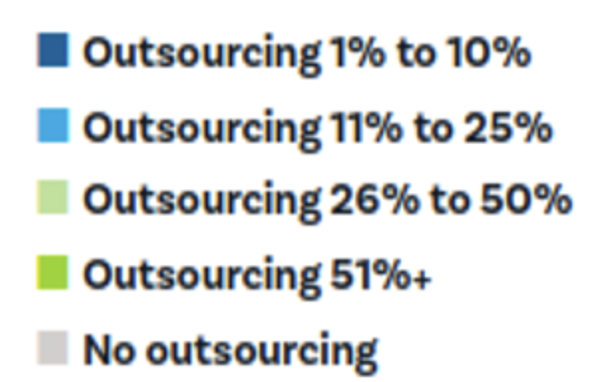
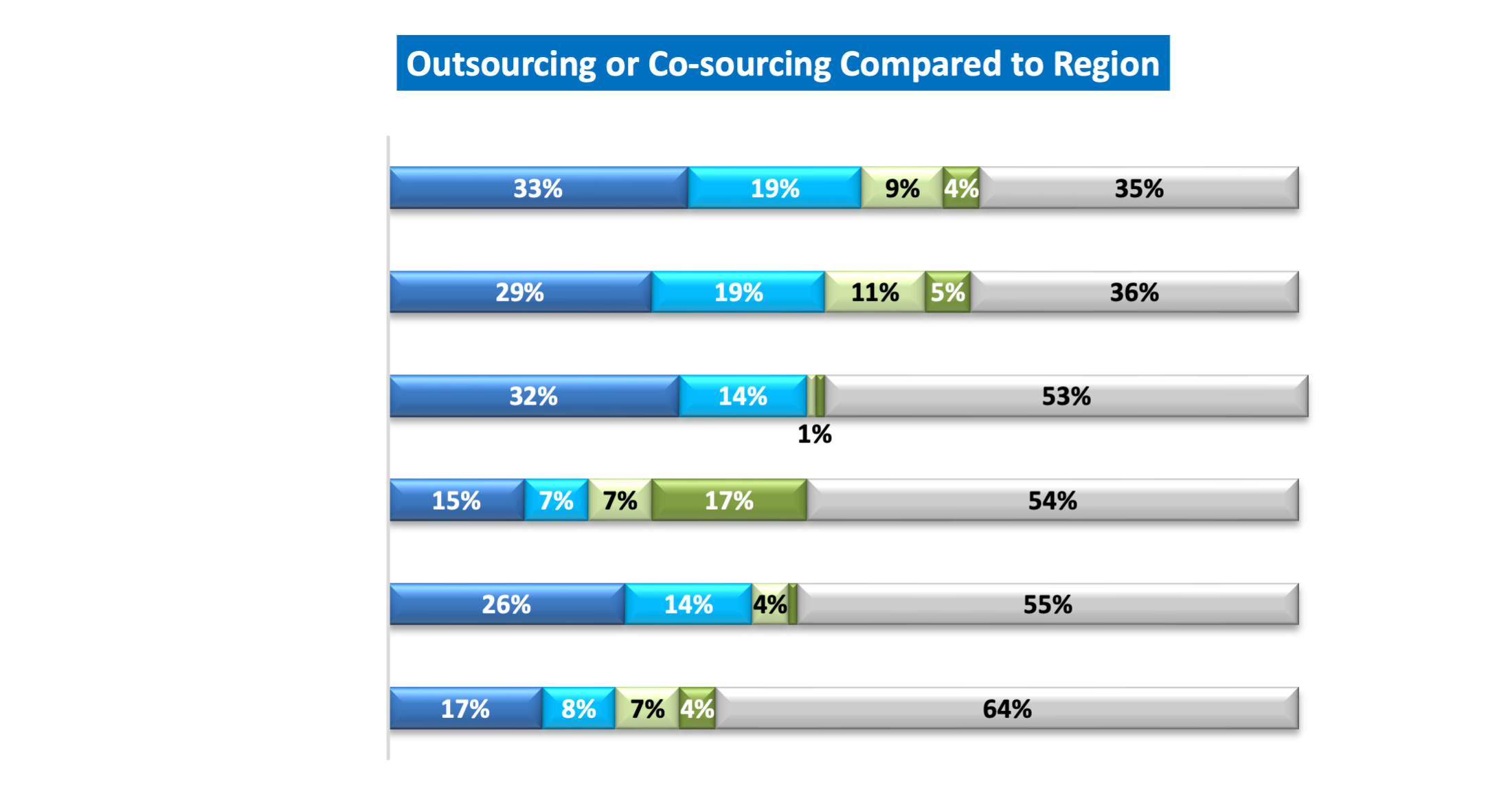
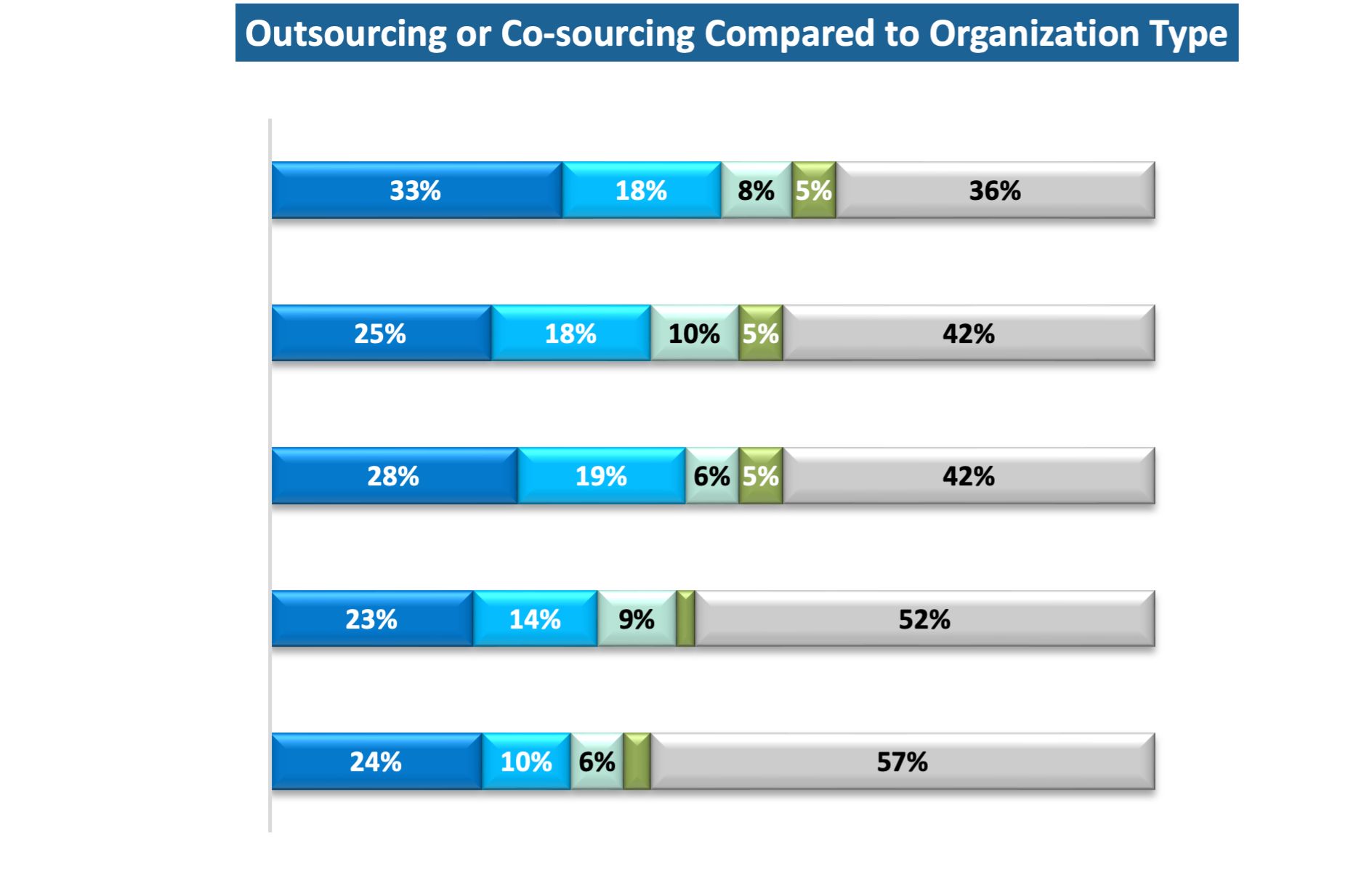
Outsourcing or co-sourcing can be an important method of supplementing regular employees on staff. It was widely used in Europe and North America (by about two-thirds of survey respondents) but used by less than half in other regions. Those who outsourced or co-sourced generally used this method for 25% or fewer of their staff. Very few survey respondents had outsourced all staff. In terms of organization type differences, financial services used outsourcing or co-sourcing the most (64%), and public sector the least (43%).
Source: IIA 2022 Premier Global Research
Source: IIA 2022 Premier Global Research
What is the future of Internal Audit?
The Future of Internal Audit: Strategic Advisors in an AI-Driven World
🌍 Navigating a Future Shaped by Technology and Uncertainty
In a future defined by relentless technological innovation and the collective urgency to address global risks—from climate to cyber threats—the internal audit function is undergoing a profound evolution. Auditors are no longer just evaluators of past performance; they are becoming strategic advisors at the center of decision-making.
🧠 From Assurance Providers to AI-Augmented Strategic Advisors
The internal auditor of the future operates within a digitally integrated ecosystem, where AI-powered platforms and virtual collaboration tools redefine how assurance and advice are delivered. Auditors will use:
Generative AI to auto-draft reports, recommend controls, and tailor risk insights to each business unit.
Machine learning models to predict financial anomalies, compliance violations, or operational disruptions before they happen.
AI assistants and chatbots to provide on-demand advisory services in real time.
This transformation means auditors will spend less time collecting evidence and more time analyzing impact, scenario modeling, and guiding strategic decisions.
🤝 Human Judgment + Machine Intelligence
Despite automation, internal audit will remain deeply human at its core. AI will augment, not replace, professional judgment. The auditor of the future blends:
Deep knowledge of business processes
Understanding of emerging risks
Mastery of data and digital tools
Strong communication and ethical leadership
Boards and senior leaders will rely on internal audit not just for oversight, but for strategic foresight.
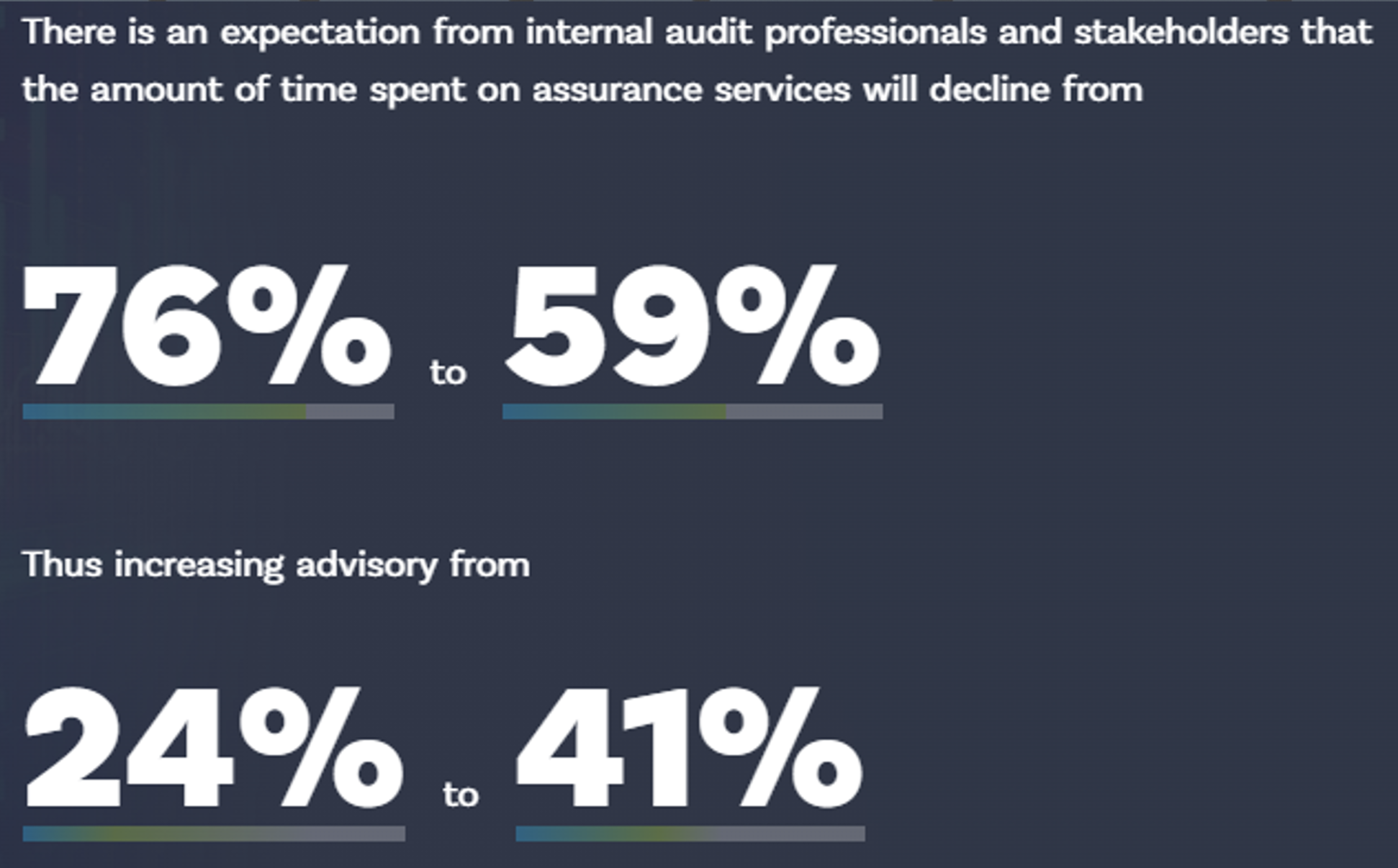
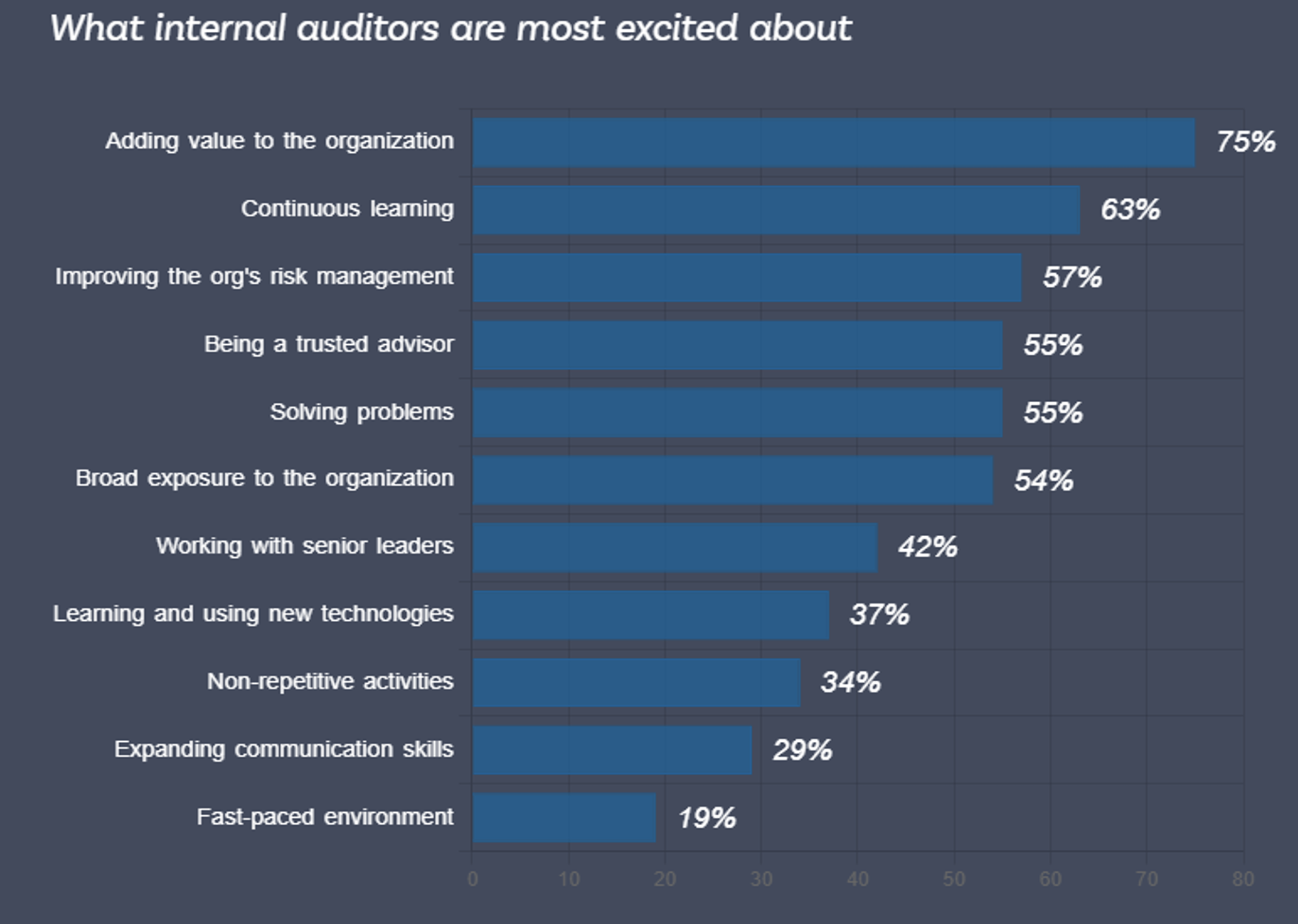
Source: IIA Vision Report 2025
The Shared Services Revolution
Benefits of implementing a Shared Service Center (SSC)
A Shared Service Center (SSC) will serve as a centralized hub for key finance functions. This initiative is designed to enhance service delivery, streamline processes, and improve cost-effectiveness across organizations. Upon implementing a SSC there are various approaches companies can undertake such as a big bang approach or a phased approach. To drive a smooth and strategic transformation, implementing a shared services center (SSC) in the home country first offers a powerful opportunity to pilot, perfect, and prove the model before scaling regionally / internationally. A phased approach allows the organization to mitigate risks, refine processes, and build internal momentum by showcasing early success.
While it may delay full-scale benefits, the insights gained from a focused rollout will drive smarter decisions, smoother transitions, and stronger adoption in subsequent territories, ultimately setting the stage for a more resilient and scalable global shared services framework.
Benefits of SSC Pilot
Benefits of implementing the SSC in one location
•Pilot testing and risk mitigation
•Knowledge and process refinement
•Change management
•Resource allocation
•Cultural and legal familiarity
Challenges of implementing the SSC in one location
•Delayed global benefits
•Inconsistent service levels
•Integration challenges
•Change fatigue
•Scalability Risks
Decentralised finance functions can lead to fragmented processes, inconsistent reporting, and missed opportunities for efficiency. While autonomy may seem beneficial, it often results in duplicated efforts, limited scalability, and reduced visibility, hindering strategic decision-making and increasing compliance risks.
Adopting a SSC offers a transformative path by streamlining operations, enhancing governance, and enabling business units to focus on their core missions while benefiting from standardized, high-quality financial services.
Chart 1 shows the extent to which the initial objectives have been met since Shared Services were implemented.
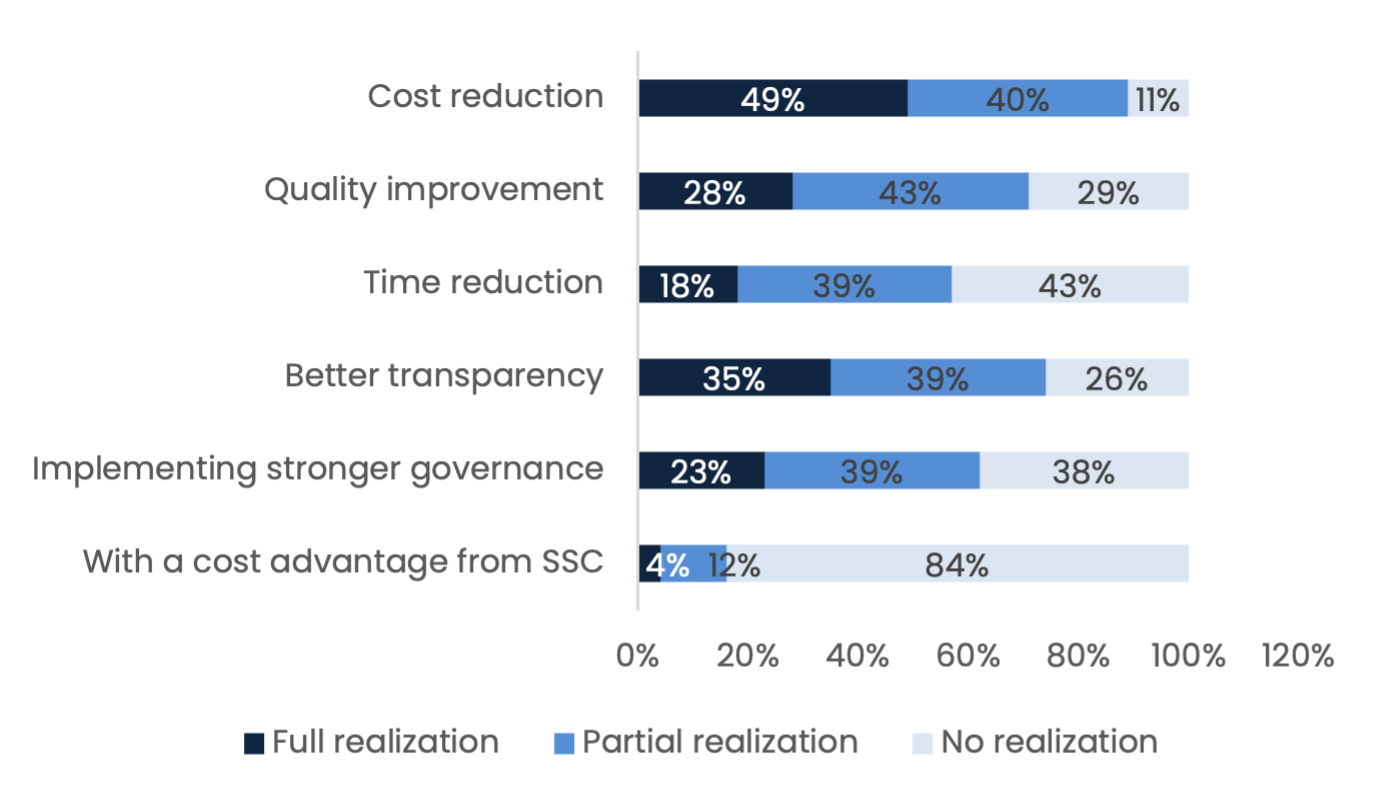
Chart 1: Extent to which objectives of implementing a SSC have been realised
Source: PWC Shared Services: Multiplying Success
Given the interconnected nature of finance functions, it is critical to identify which activities are best suited for centralisation to balance efficiency with strategic impact. Chart 2 illustrates that a focus on Accounts Payable (84%), Payroll (58%), and Financial Reporting (internal at 51%, external at 37%) aligns well with the most commonly centralised Shared Services Center functions.
These areas are ideal for standardisation and automation, offering immediate efficiency gains and stronger financial oversight. During the design phase, additional functions such as General Accounting, Fixed Assets, and Travel & Expense can also be evaluated for their potential to deliver further value through centralisation.
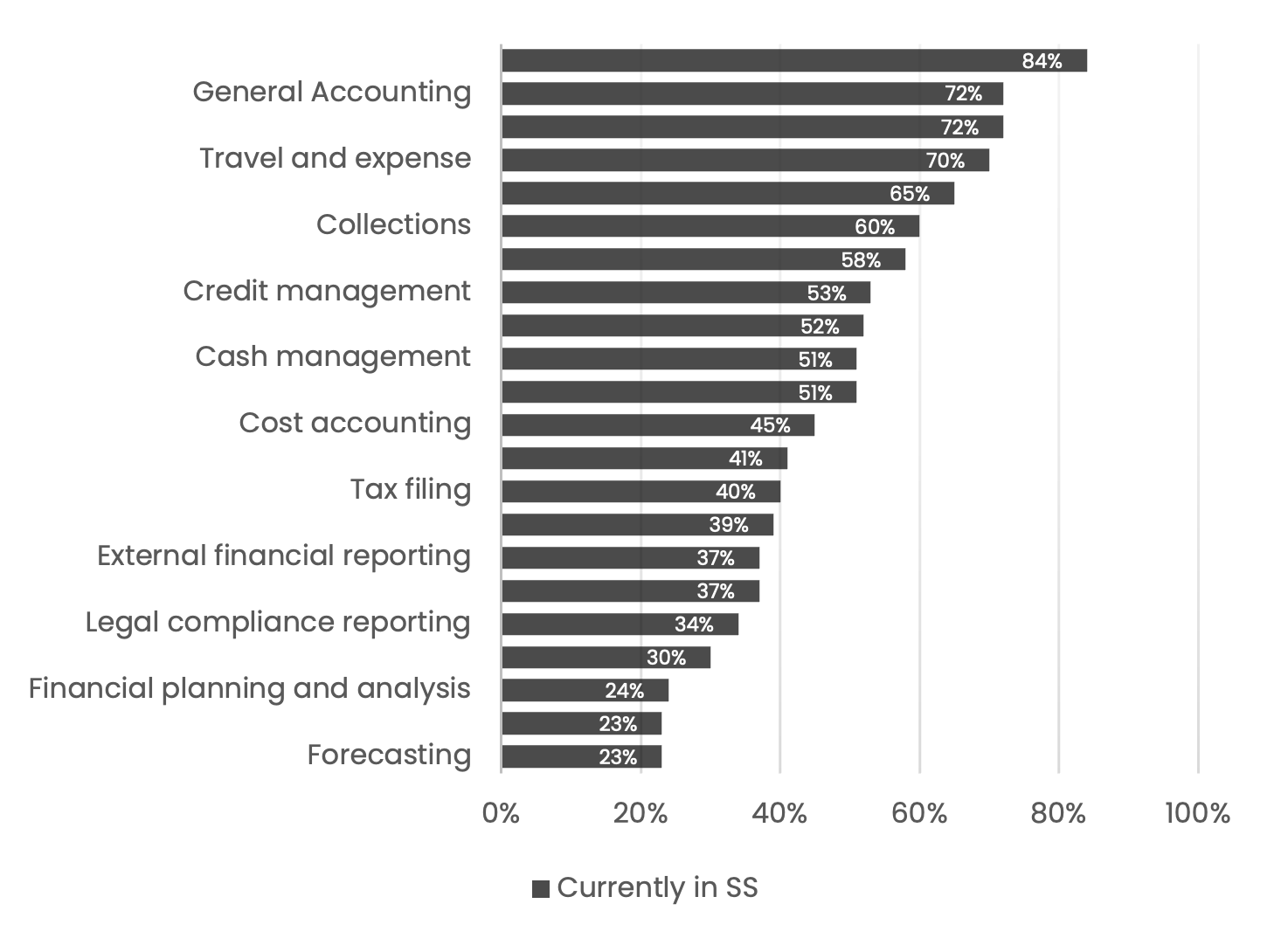
Chart 2: Finance functions currently in SS based on a SSC survey
Source: Deloitte’s global SSC survey of 270 companies